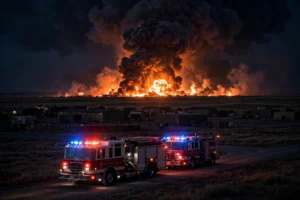
Nepal Himalayan Flood Disaster: Official Toll Reaches 1,453 Dead, Over 5,200 Missing as Search Partially Suspended
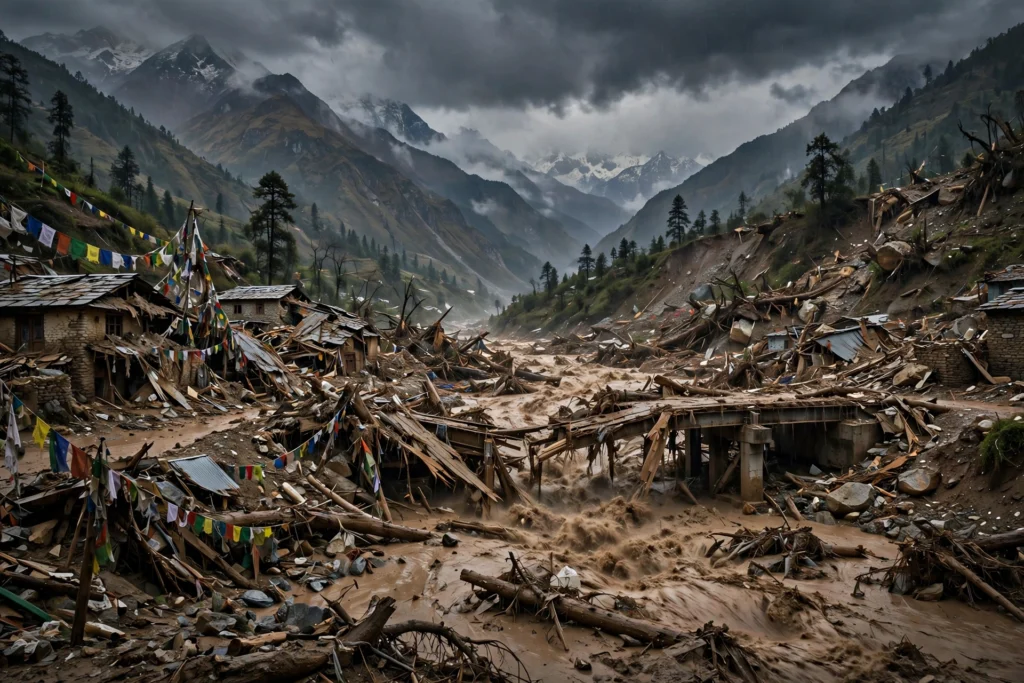
Nepal is confronting one of its deadliest disasters in decades as the toll from the catastrophic August 26, 2026 Himalayan flood continues to rise. The country’s National Disaster Risk Reduction and Management Authority (NDRRMA) reported on October 6 that 1,453 people have been killed, 5,285 remain missing — including 636 foreigners — and 13,795 have been rescued.
What happened
The disaster struck on August 26 when a glacier on Nepal’s Mount Langtang Lirung fractured at an altitude of 5,200 metres, the U.S. Geological Survey clarified. The fracture triggered an ice-rock avalanche that turned into a massive debris flow, sweeping down the Bhote Koshi and Trishuli valleys along the Nepal–Tibet border. Floodwaters and mudslides devastated Nepal’s Rasuwa, Nuwakot, Dhading and Kavre districts and reached the Kathmandu Valley, while burying the Gyirong border crossing on the Chinese side.
Search suspended, toll expected to rise
Nepal partially suspended search and rescue operations on October 5 in areas where there is no indication of survivors, though operations continue in key areas including hydropower tunnels, where hundreds of workers were deployed when the flood hit — at least six hydropower projects were damaged. A Nepal Police bulletin dated October 10 put the count at 1,457 dead and 4,720 missing. An ordinance signed on October 9 lets families have missing relatives declared dead after 45 days, meaning the official death toll is expected to climb sharply.
The Chinese side and the foreign victims
China reported 43 dead and 519 missing in Tibet, including 261 foreigners. Among the foreign nationals unaccounted for are more than 133 Indians — many on the sacred Kailash Mansarovar pilgrimage — alongside dozens of Americans, Britons and Australians, according to early reports. Economic losses are estimated at more than half a billion dollars, with the UNDP estimating around 2.2 million tonnes of debris deposited across affected areas in Nepal.
A climate warning
Scientists say the disaster underscores the accelerating melt of Himalayan glaciers linked to climate change. The International Centre for Integrated Mountain Development (ICIMOD) warned of further secondary flooding risks, while disaster researchers note that the event demonstrated how a high-altitude trigger can become a regional catastrophe within minutes — a stark warning for Himalayan communities.
(Sources: Anadolu Agency / aa.com.tr, Al Jazeera, Business Leaders ME, Kathmandu Post)