UN Warns a “Global Food Crisis Is Looming”: Energy and Fertiliser Costs Could Push Food Prices Higher for Months
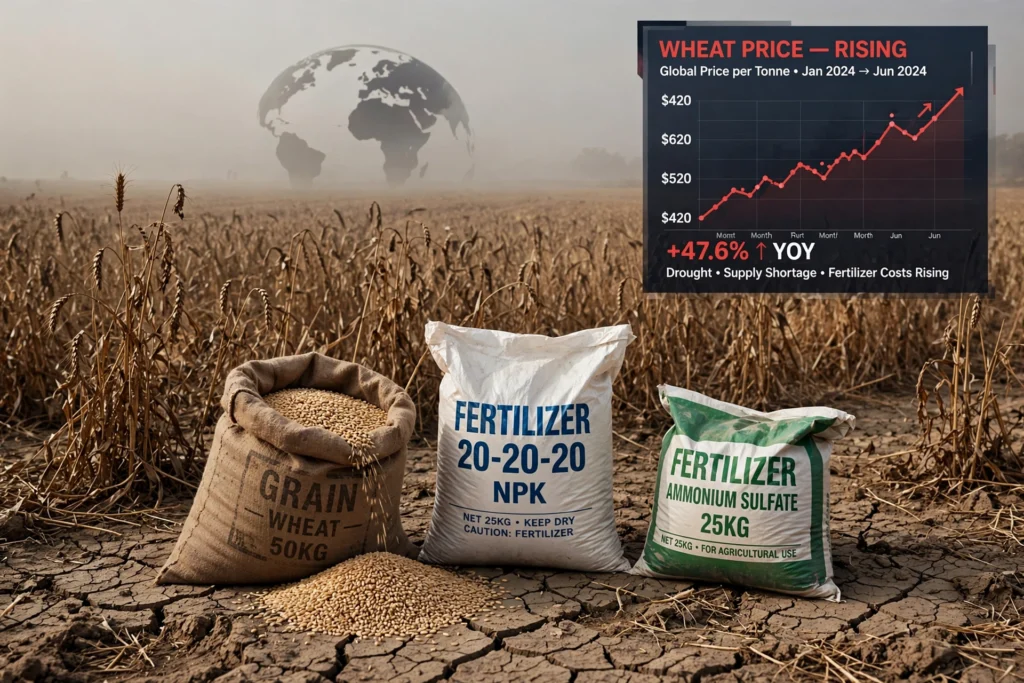
The United Nations has warned that the next global crisis could be on your dinner plate, as rising energy and fertiliser costs threaten to push food prices even higher over the next six to nine months.
What the UN Said
Speaking to AFP on the sidelines of the IMF and World Bank annual meetings in Bangkok, Alvaro Lario, president of the UN’s International Fund for Agricultural Development (IFAD), said global agricultural prices jumped 13 percent in the third quarter of this year.
“Over the next six to nine months, we will see continued increases related to food prices, but also I would say even inflation in terms of food, which will impact most of the populations that actually can afford it less,” Lario said. He warned that “a global food crisis is looming”.
The surge in energy prices, driven by the conflict in the Middle East, has sharply increased the cost of fertilisers and fuel this year — driving up both agricultural production and transport costs.
Who Gets Hit Hardest
Smallholder farmers in developing countries are bearing the brunt, and because food accounts for a significant share of household budgets in the developing world, price hikes are felt there most acutely.
“Almost one in three people in the world cannot afford a healthy diet,” Lario said, adding that rising costs of legumes, vegetables and meat were having a big impact on what people could afford to consume. According to UN figures, food insecurity already affects around 260 million people worldwide.
Why It Matters for Pakistan
Pakistan imports a large share of its fertiliser inputs and fuel, so a global spike in food and energy prices feeds directly into domestic inflation — affecting household budgets already squeezed by high prices. With winter approaching and the LNG bill rising, families across Pakistan will be watching food prices closely in the months ahead.
Sources: Malay Mail/AFP (18 October 2026), reporting IFAD President Alvaro Lario’s interview; all figures attributed to the UN/IFAD.